
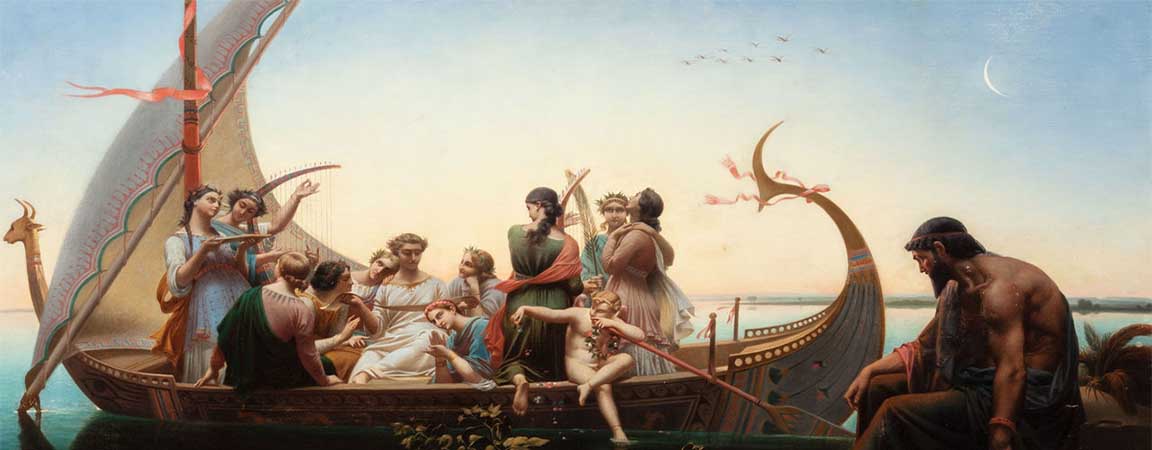
Plato - Dialogues (3rd-4th century BC)
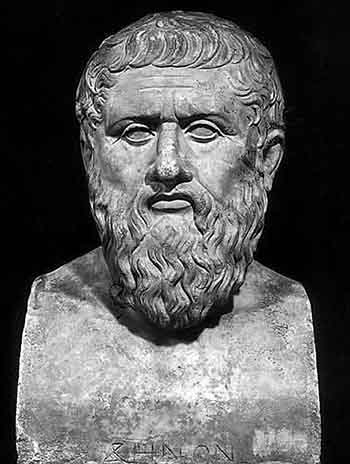 A collection of Socrates' dialogues with various citizens of Athens, recorded by his student Plato. The main ideas of the dialogues are Socrates' moral teachings, often ridiculing his limited fellow citizens. The topics of conversation touch on good and evil, man's place in the world, honor, courage, love, music, beauty, and so on. Socrates' method is to expose the ignorance of his opponent through the systematic refutation of their ideas, and then guide the interlocutor onto the path of self-knowledge and development. Socrates logically proves the value of a "righteous" life, the benefits of nobility and courage, the advantages of honesty and justice. At the same time, Plato's teacher insists that one can achieve the aforementioned virtues only by oneself, through consistent and deep conversation with oneself. Often in many dialogues, Socrates simply asks "Why?" to all of his interlocutor's arguments, thereby helping the latter understand one phenomenon or idea or another. It's telling that Socrates so annoyed the Athenians with his teaching and playing the role of their conscience that he was ultimately deemed dangerous to society, a corrupter of youth, and then executed. One of the dialogues describes Socrates and his students constantly hanging out in his prison cell on the eve of his execution. They urge him to escape, and they have everything ready to carry it out. Despite this, Socrates steadfastly follows his philosophy of the "righteous" life and decides to face his execution head-on, defend himself at trial, and not flee from the foolish, unjust crowd. His approximate words at this moment: "I have lived a righteous life, and I will go straight to the gods when it ends, while those who lived unrighteous and selfish lives are unhappy, their descendants are talentless and worthless, and they themselves will go to Hades after death."
Plato's Dialogues are pleasant to read and contain cool descriptions of Greek life of that time. Among other things, for example, it's quite amusing to read about how they treated young boys: they were valued much more than women, if you know what I mean :D. Also, Socrates' rigorous logic in the Dialogues shows the power of consistent logical thinking, and this is perhaps the main thing you can learn from him. If during an argument or discussion, or simply to convince someone, you constantly ask the question "Why?", you can quickly expose their incompetence, and also better understand their (often false) goals and motives. It works without fail (and annoys everyone terribly). Overall, in my opinion, Plato was an incorrigible idealist and therefore perceived reality somewhat one-sidedly. Nevertheless, it's epic to behold the worldview of a person who lived 2500 years ago and see that he was smarter and saw the world more clearly than the vast majority of modern people :)
Aristophanes - Comedies (4th century BC)
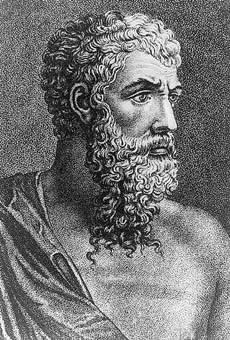 The forefather of comedy and author of one of the first examples of humor to reach us. He mocks the ancient world, including Plato and Socrates. His light narrative style ensures interest, and his poems were short and genuinely funny :) For a critical perception of the often-glorified Ancient Greece - I recommend reading him. I myself read "The Clouds" (mocking sophists and other intellectuals) and "The Frogs" (jokes about ancient drama and its practitioner Euripides). A funny element of Greek comedy was the complete freedom to mock any specific individual as something artificial and contrived, and therefore funny. For example, Aristophanes in his works attacks not only poets, philosophers, and playwrights, but also rulers ("The Babylonians"). By the way, the word personality comes from the word persona, which in Ancient Greece meant a mask worn by actors in theater (incidentally, the Russian pair of words "lichnost'" and "lichina" carries the same meaning). In general, that era was characterized by calling things by their proper names, and freedom of speech was an essential element of society. Aristophanes is a cool representative of that era.
Besides Plato and Aristophanes, there were many brilliant people in Ancient Greece whose work I'm not yet familiar with. I definitely plan to try Aristotle and perhaps Epicurus.
Quotes
Plato, Dialogues - "Alcibiades I" (3rd century BC)
A bad man deserves to be a slave; virtue belongs to freedom.
Hesiod, Works and Days - 210-230 (7th century BC)
Listen to the voice of justice, O Perses, and beware of pride!
Pride is ruinous for small men. Even for those who are greater,
It's hard to live with it; heavily it will weigh on their shoulders,
When trouble comes. The other road is safer:
Be righteous! In the end, the righteous one will surely
Put the proud man to shame. The fool learns this too late, having already suffered.For Oath follows swiftly upon crooked judgments.
The path of Justice is unchanged, wherever
Gift-devouring men try to turn it aside with their injustice.
Weeping, she follows them through cities and dwellings,
Clothed in misty darkness, bringing woes upon those
Who drive her out and render unjust judgment.But where just judgment is found for both native
And stranger alike, where no one ever transgresses justice,
There the state flourishes, and the peoples prosper;
Peace, nurturing youth, reigns throughout the land.
Pythagoras of Samos (5th century BC)
Choose the best, and habit will make it pleasant and easy.